Thinking about relocating to Saint Johns and wondering where to start? Moving from out of the area can feel overwhelming, especially when you are trying to balance budgets, commutes, schools, and timelines. You deserve a simple, practical plan that helps you compare neighborhoods, avoid surprises, and make a confident offer. This guide gives you clear steps, local context, and trusted resources so you can buy your Saint Johns home with less stress. Let’s dive in.
Why consider Saint Johns
Saint Johns sits in St. Johns County in northeast Florida, within the Jacksonville metro. The unincorporated Saint Johns and Fruit Cove area includes ZIP codes like 32259 and offers planned communities, parks, and easy access to major corridors.
Growth has been strong countywide since 2010, which has supported new housing, retail, and services. You can review St. Johns County trends on the U.S. Census QuickFacts for county-level benchmarks on population and housing values. The 32259 ZIP that covers much of Fruit Cove and Saint Johns had about 62,000 residents in 2020, a useful context point as you think about density and services in the area. You can confirm ZIP-level details through the 32259 profile on ZIP-Codes.com.
- County snapshot: St. Johns County QuickFacts
- ZIP profile: 32259 ZIP code overview
What kinds of homes you’ll find
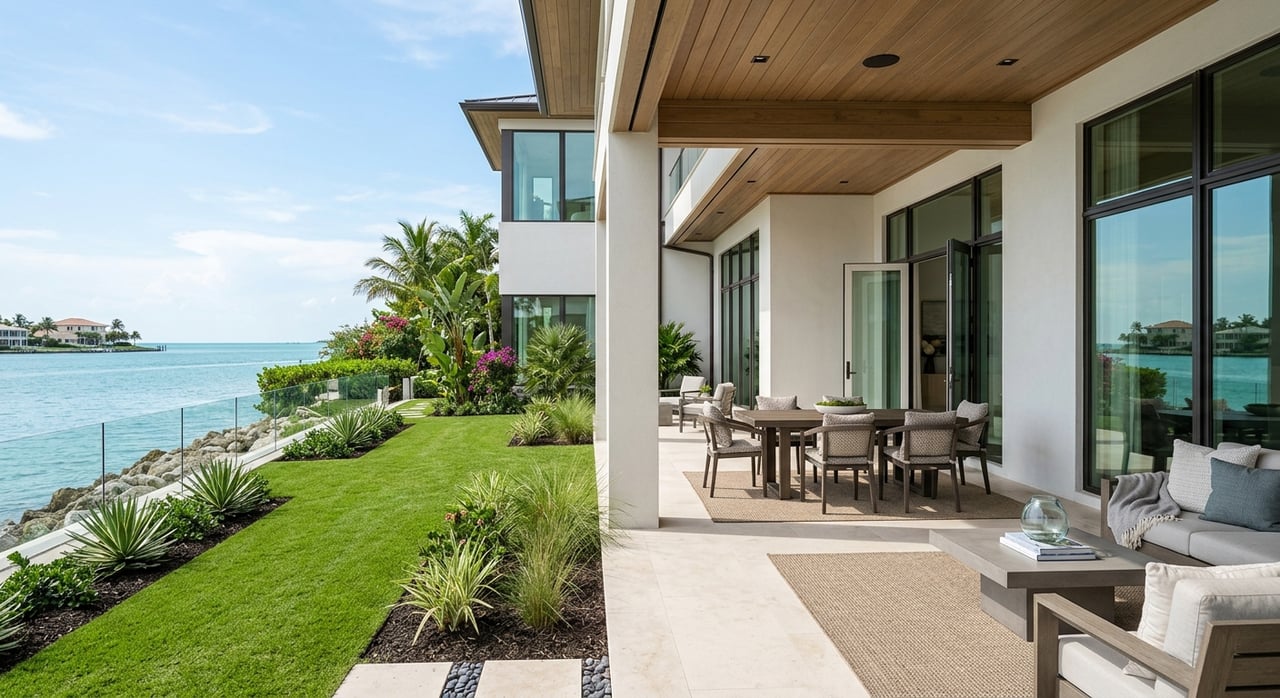
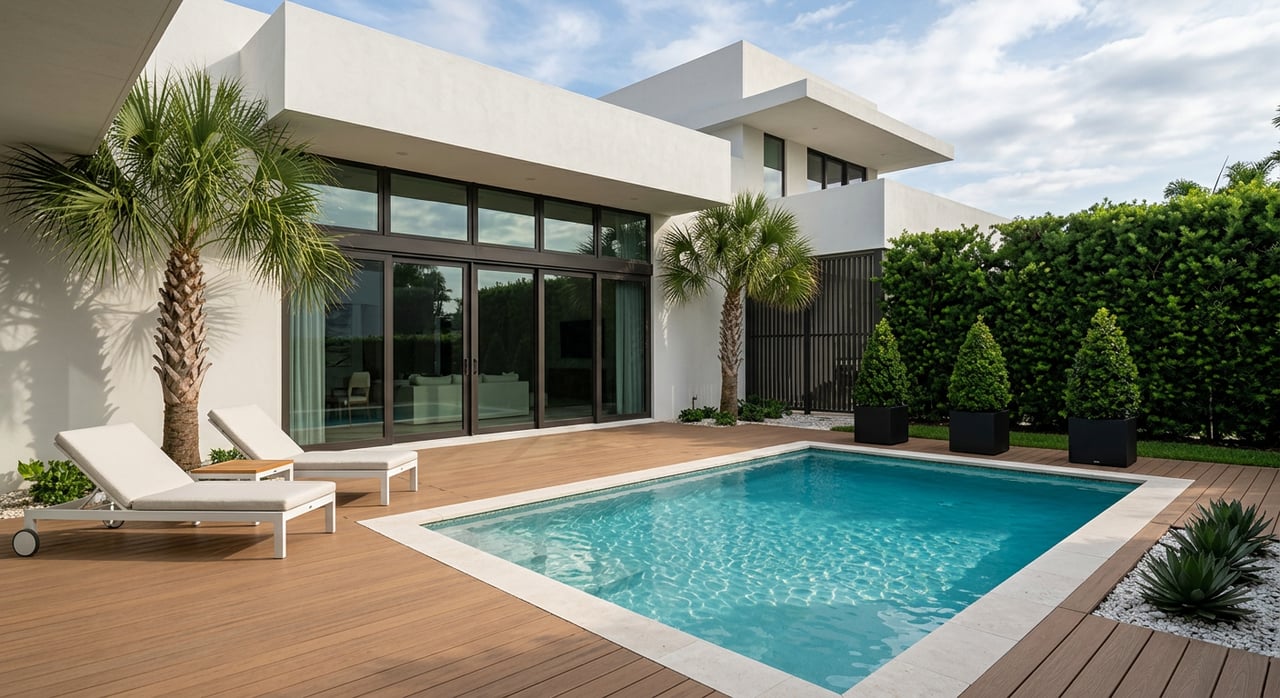
You will see a mix of newer single-family homes, townhomes, and master-planned neighborhoods with pools, trails, and club amenities. Homes often range from roughly 2,000 to 3,500 square feet and up, with options for lakefront, river-adjacent, and golf-course settings. If you prefer a community with a clubhouse lifestyle or newer construction, Saint Johns offers many choices. For a quick look at area communities and amenities, browse this Saint Johns neighborhood search overview.
Tip: Many planned communities here have both HOA dues and Community Development District (CDD) assessments. CDDs fund infrastructure and appear on your tax bill. Build these into your monthly budget.
Popular communities to explore
Nocatee
Nocatee spans parts of northern St. Johns County and is one of the region’s best known master-planned communities. It features village-style neighborhoods, amenity centers, and parks. It also provides proximity to Ponte Vedra Beach and employment hubs. Learn more background on Nocatee’s growth and planning context.
Julington Creek and Fruit Cove areas
Around Julington Creek, you will find established neighborhoods with sidewalks, sports parks, and easy access to shopping and dining along Race Track Road and San Jose Boulevard. Many buyers like the mix of mature trees, planned amenities, and convenient drives to both Jacksonville and St. Augustine. HOA and CDD details vary by subdivision, so review each listing’s disclosures.
Durbin Crossing
Durbin Crossing offers pools, sports courts, trails, and neighborhood events. Its location near St. Johns Parkway and CR‑210 makes commutes practical to multiple directions. Learn about amenities and community structure in this Durbin Crossing neighborhood guide.
RiverTown
Set along the St. Johns River, RiverTown blends river access, resort-style pools, and trails. As with other master plans, expect HOA dues and a CDD assessment. If you enjoy boating, fishing, or scenic riverfront parks, put RiverTown on your short list.
Commute and daily logistics
- Jacksonville commute: From Saint Johns to central Jacksonville is roughly 28 miles by common routes. Drive times vary with traffic, so plan ranges rather than fixed minutes. See a sample route on Travelmath’s Saint Johns to Jacksonville distance page.
- Airport access: Jacksonville International Airport is often a 35 to 45 mile drive depending on your neighborhood and route. Check a sample distance on DistancesFrom’s Saint Johns to JAX page, then verify from the exact address.
- Public transit: Options are limited relative to urban cores. The Jacksonville Transportation Authority has express and connector services in planning documents. If you plan to rely on transit, review the JTA Transit Development Plan and confirm service for your address before deciding on a home.
- Military buyers: NAS Jacksonville and Naval Station Mayport are reachable by car. Commute time depends on gate choice, time of day, and neighborhood. Ask your agent for rush-hour patterns from your short list of communities.
Schools and zoning basics
Many buyers move to Saint Johns to be within the St. Johns County School District. The district is widely cited for strong academic performance, which makes it a common consideration for home searches. School assignments are address specific and can change. Always verify your address with the district before you make an offer.
- District info: St. Johns County School District
- Verify your school: Attendance Zone Locator
- Example local high school: Bartram Trail High School profile
Note: School ratings and reputation can be subjective. Use official district resources and visit schools when possible.
What homes cost and how to budget
Home prices in Saint Johns vary by neighborhood, lot size, age of construction, and amenity access. Recent market snapshots often place median listing prices for Saint Johns in the mid 500s, but prices shift with season and inventory. Use current data before making a decision and expect different price dynamics by property type and price band.
Beyond the purchase price, build a realistic monthly number that includes:
- HOA dues and CDD assessments. Review community documents and ask for an amenity fee schedule.
- Property taxes. Check the St. Johns County Tax Collector’s real estate tax page for deadlines, early-payment discounts, and installment plans, and use the Property Appraiser’s parcel tools to review assessed values and exemptions.
- Homeowners insurance. Florida premiums can be higher than national averages, and policy terms depend on roof age, wind mitigation, and prior claims. Get quotes early and compare carriers. For a high-level market view, see this Florida insurance market overview, then work with a local insurance pro for live quotes.
- Flood insurance if required. If a property falls in a Special Flood Hazard Area, most lenders will require flood coverage.
Buying from out of the area: a simple plan
If you are shopping from afar or on a tight timeline, organize early and make every visit count.
- Get fully pre-approved. A true pre-approval clarifies your budget and strengthens your offer.
- Define must-haves. Rank commute, schools, amenities, and target neighborhoods.
- Use virtual tools first. Request 3D tours or live video walk-throughs. Ask the listing agent for seller disclosures, recent utility bills, HOA and CDD documents, a floor plan, and any upgrade lists so you can triage homes before flying in.
- Cluster in-person showings. Group tours in the same area and schedule a local home inspector on hold. Ask listing agents to leave detailed disclosures available.
- Line up closing partners. Identify your title company and lender contacts early to keep timelines tight.
Key contract and due diligence checkpoints
- HOA and CDD review. Read community rules, fees, and any planned assessments. CDD charges appear on your tax bill and affect monthly affordability.
- Inspections. Order a full home inspection plus separate pest/termite screening. If the home is in a low-lying or river-adjacent area, consider an elevation review and wind mitigation inspection.
- Flood maps and certificates. Check the address at the FEMA Flood Map Service Center. If the home is in Zone A, AE, or V, your lender will likely require flood insurance. Ask the seller for an elevation certificate if available.
- Typical timeline. With financing, many closings target about 30 to 45 days depending on appraisal, underwriting, and title. Cash can move faster. If you are on military orders, build in a buffer for schedule changes and base access requirements.
Military and VA buyers
If you are active duty, a veteran, or a surviving spouse who is eligible, a VA-backed loan can be a strong option. Benefits can include no private mortgage insurance and the possibility of zero down for qualified borrowers. Start early with a VA-experienced lender to secure your Certificate of Eligibility and to discuss condo approvals if needed. Explore programs and eligibility at VA housing assistance.
Timing tips:
- Confirm reporting dates and gate access patterns for NAS Jacksonville or Mayport.
- Consider a short-term rental if your arrival is close to your report date, then buy once you know your commute and schedule.
Cost of ownership: taxes, insurance, and flood
- Property taxes. Review the Tax Collector’s real estate tax guide for billing cycles, discounts, and installment options. After closing on a primary residence, you may apply for homestead exemption per county timelines. Confirm assessed values and parcel data with the St. Johns County Property Appraiser.
- Insurance market. Florida’s insurance environment can change quickly. Ask for multiple quotes and review wind, roof age, and hurricane mitigation credits. Flood insurance can be placed through the National Flood Insurance Program or private carriers. Elevation certificates and mitigation steps can lower premiums.
- Community Rating System. Local governments participate in FEMA’s Community Rating System, which can reduce NFIP premiums when communities invest in mitigation. Nearby examples like the City of St. Augustine improving its CRS class show how local efforts can benefit residents. See the city’s update in its CRS-related news. Verify current CRS status with the county before assuming a discount.
Quick relocation checklist
- Define timing and a firm budget. If applicable, confirm employer relocation benefits or BAH for military moves. Review options at VA housing assistance.
- Choose a local buyer’s agent experienced with out-of-area and military relocations. Get lender pre-approval and, if using a VA loan, your COE.
- Shortlist neighborhoods by commute, schools, and amenities. Verify school assignments with the Attendance Zone Locator.
- Request virtual tours and key documents. Ask for HOA and CDD details, seller disclosures, recent utility bills, floor plans, and property tax info.
- Write offers with clear contingencies. Plan for inspections, appraisal, title work, and a 30 to 45 day closing if financing.
- Confirm insurance early. If the address is near water or low-lying, check the FEMA Flood Map Service Center and request an elevation certificate if available.
- After closing. Set up utilities and mail forwarding, apply for homestead exemption if eligible, and confirm tax deadlines with the Tax Collector.
Next steps
Relocating is a big life step, and you should feel clear and confident at every turn. If you want a calm, hands-on process with local guidance on neighborhoods, schools, commutes, CDDs, inspections, and closing logistics, let’s talk. Schedule a free, no-pressure planning call with Katie Kravtsov to map your path to a Saint Johns home that fits your life.
FAQs
What does “Saint Johns” refer to in St. Johns County?
- Saint Johns generally refers to the unincorporated Saint Johns and Fruit Cove area within St. Johns County, often associated with ZIP 32259 in the Jacksonville metro.
How long is the commute from Saint Johns to Jacksonville or JAX airport?
- Central Jacksonville is about 28 miles by common routes, and JAX airport is often 35 to 45 miles depending on your neighborhood and route, with times varying by traffic.
How do HOA and CDD fees work in Saint Johns communities?
- Many master-planned neighborhoods use both HOA dues and CDD assessments, with CDDs appearing on your tax bill and affecting monthly affordability, so review documents before you offer.
How can I verify which school a Saint Johns home is zoned for?
- Use the St. Johns County School District’s Attendance Zone Locator to check the exact address, since assignments are address specific and can change.
How do I check flood risk for a Saint Johns property near the river?
- Search the address at the FEMA Flood Map Service Center and, if available, request an elevation certificate to help with insurance and mitigation decisions.
What closing timeline should I expect if I am financing the purchase?
- Many financed closings target about 30 to 45 days depending on appraisal, underwriting, and title work, while cash purchases can often close faster.