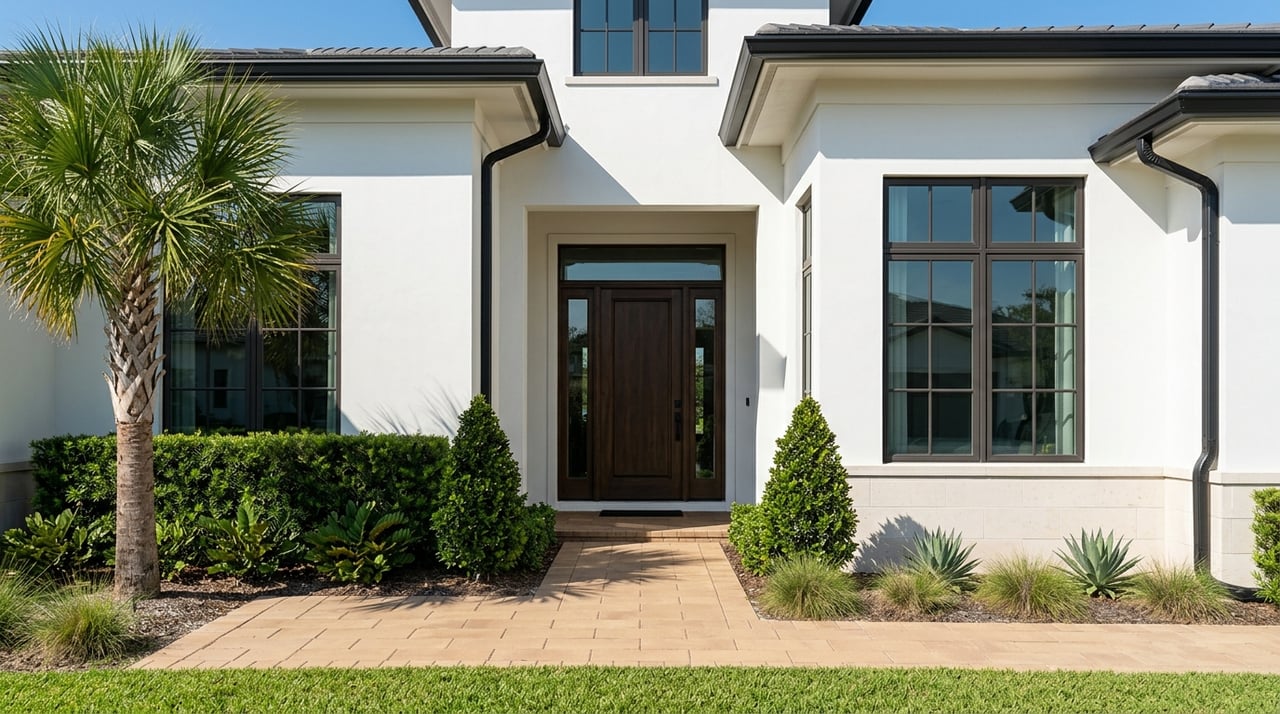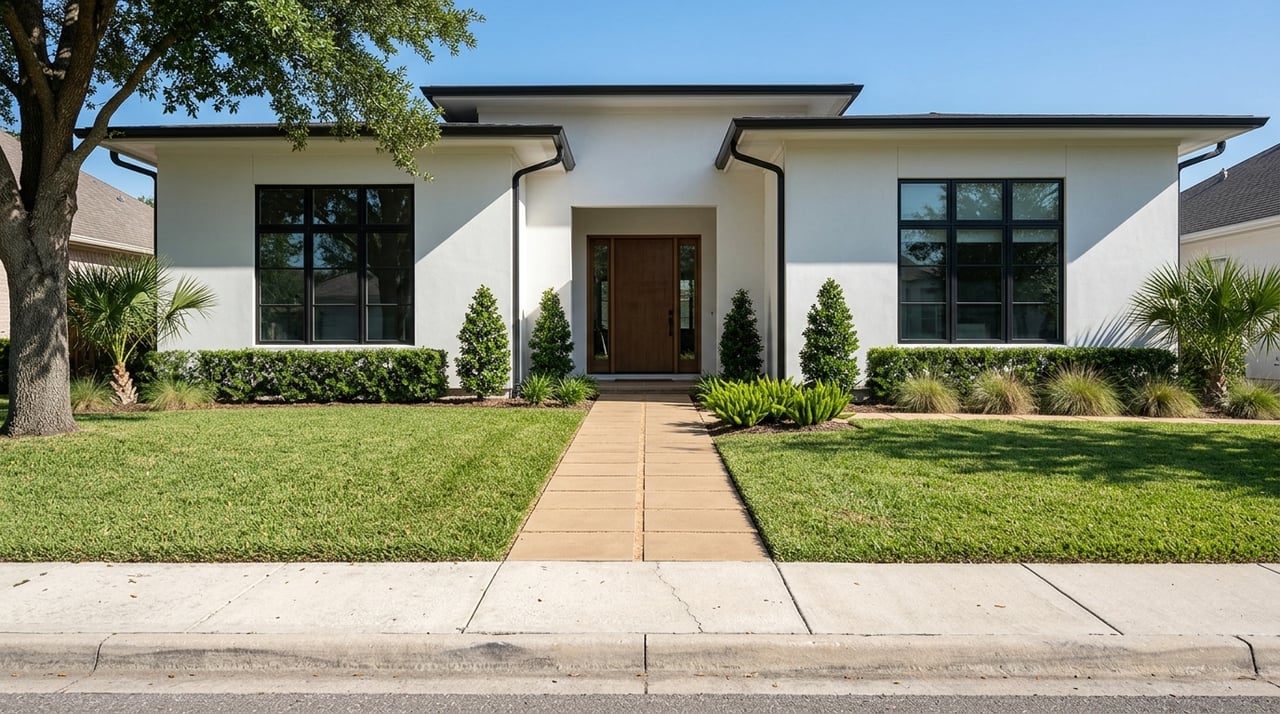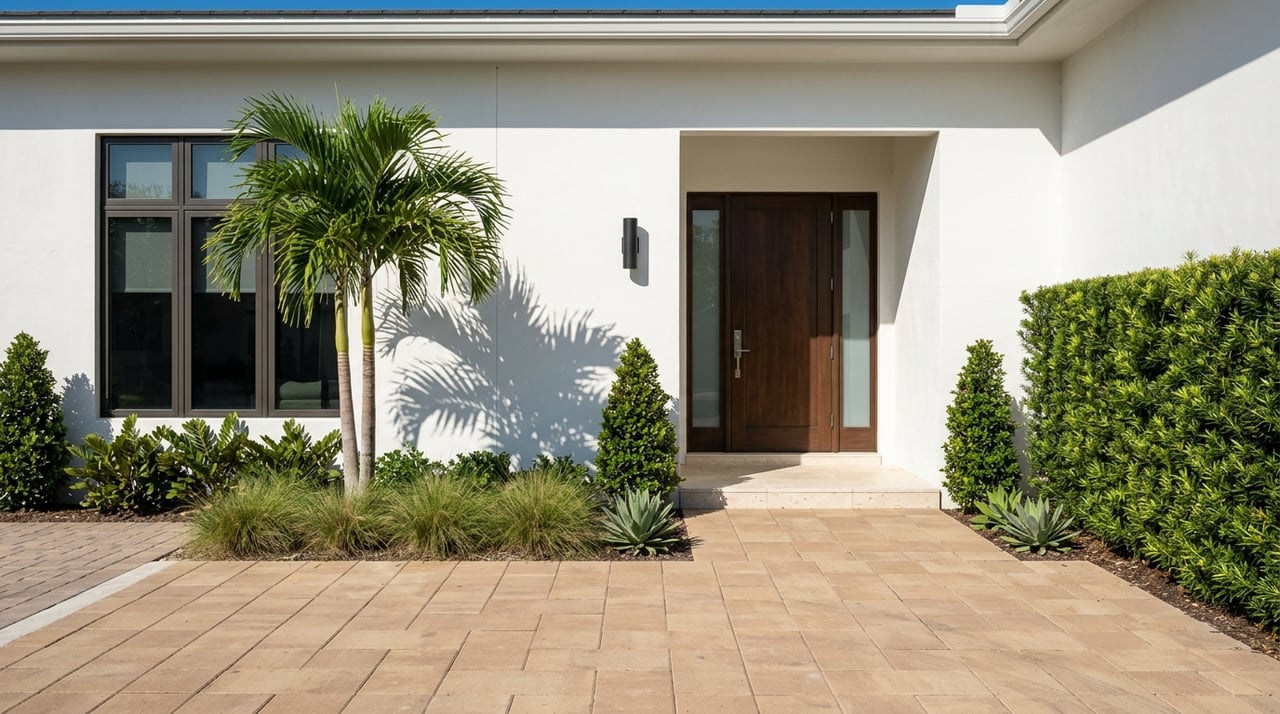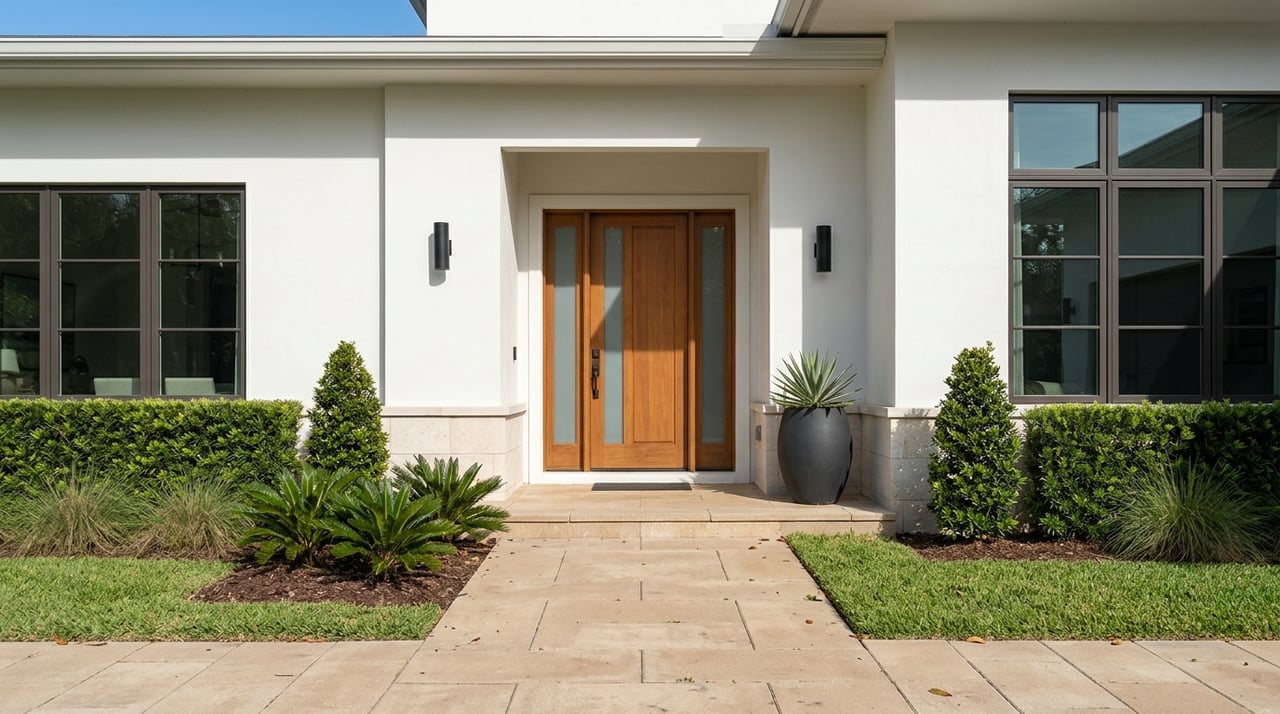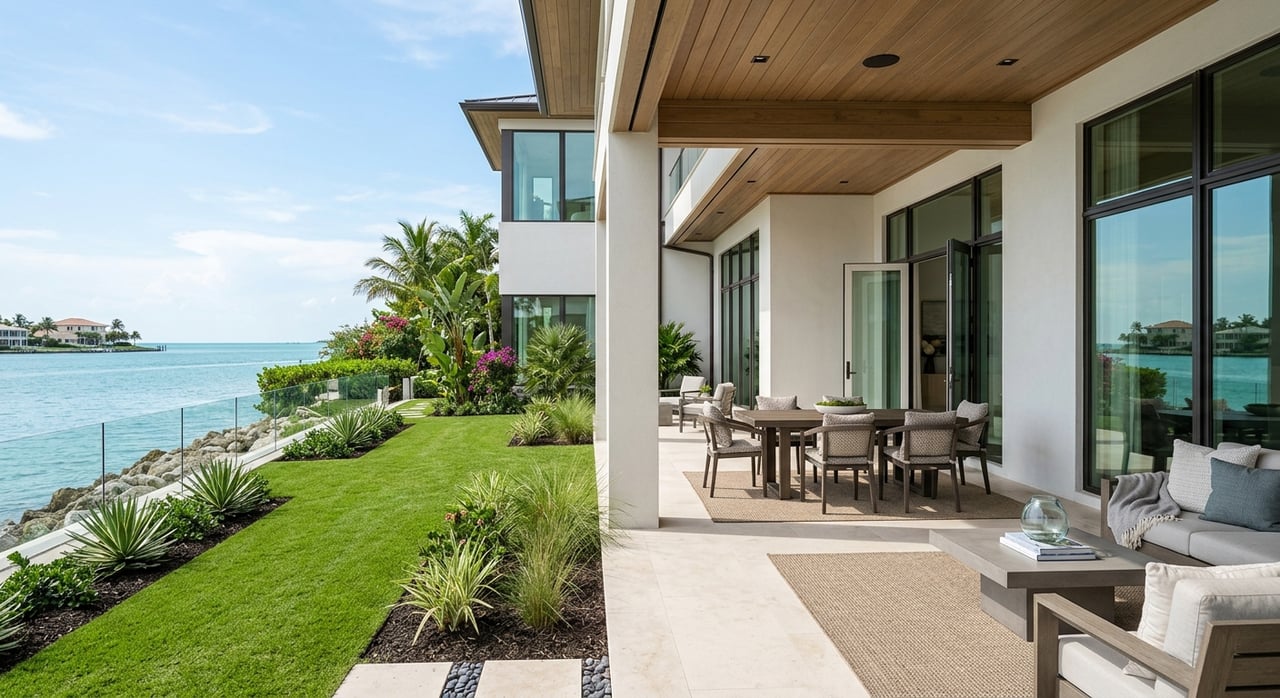
Dreaming about life near the water in Ponte Vedra Beach? It is easy to picture morning walks by the ocean, afternoons on the Intracoastal, and the calm that comes with a coastal setting. But buying or owning near the water also means understanding flood zones, insurance, maintenance, and local permitting before you make a move. This guide will help you sort through the lifestyle perks and the practical realities so you can make a confident decision. Let’s dive in.
What coastal living looks like
Ponte Vedra Beach sits along St. Johns County’s Atlantic coast corridor in what county materials describe as a classic barrier-island setting. That geography shapes both the look of the area and the way homes interact with wind, water, and salt air. It also helps explain why two homes that seem close together can offer very different ownership experiences.
In this area, the most helpful way to think about property types is by exposure and access. Many buyers compare oceanfront, near-beach, marshfront, and Intracoastal-facing homes because each one brings a different mix of views, privacy, recreation, and upkeep.
Oceanfront homes
Oceanfront homes put you closest to the beach and open Atlantic views. That setting can deliver a dramatic lifestyle, but it also comes with the highest direct exposure to coastal weather, wave action, and salt spray. For many buyers, that means a closer look at flood zones, insurance needs, and long-term exterior maintenance.
Near-beach homes
Near-beach homes may offer beach access and coastal atmosphere without sitting directly on the shoreline. FEMA notes there is no true no-risk zone, which matters because a home can still face wind and water concerns even if it is not on the oceanfront. In practice, these homes often appeal to buyers who want a coastal lifestyle with a different exposure profile.
Marshfront homes
Marshfront homes offer a quieter water setting and often a strong connection to the area’s natural landscape. The nearby Guana River Marsh Aquatic Preserve reflects the region’s mix of salt marsh, lagoon, barrier-island, and open-ocean habitats. If you enjoy birding, kayaking, fishing, or simply a broad natural view, this property type can be especially appealing.
Intracoastal-facing homes
Intracoastal-facing homes often attract buyers who want boating access and a different kind of waterfront lifestyle than the ocean provides. In Ponte Vedra Beach, Palm Valley West Boat Ramp supports kayak and boat access to the Intracoastal Waterway. These homes can be a strong fit if your idea of coastal living includes time on the water as much as time at the beach.
Enjoying the Ponte Vedra Beach lifestyle
One of the biggest draws of Ponte Vedra Beach is how easy it is to enjoy the coast in everyday life. St. Johns County reports about 41.1 miles of sandy beaches and 99 public access points, which gives you many ways to get out and enjoy the shoreline. That broad access matters whether you live directly on the water or a short drive away.
Mickler’s Landing Beachfront Park is one local example, with a dune walkover, restrooms, showers, and coquina sand. County beach information also notes that access can change based on beach conditions, and parking or entry may be affected at times during restoration work. That is helpful to know if beach access is high on your must-have list.
The area’s natural setting goes beyond the surf line. The Guana River Marsh Aquatic Preserve supports swimming, boating, fishing, crabbing, hiking, biking, and birding, which adds another layer to daily life here. For many buyers, coastal living in Ponte Vedra Beach is really about having options, from beach mornings to marsh trails to Intracoastal launches.
Flood zones matter before you buy
If you are considering any coastal or waterfront property, flood-zone research should happen early. St. Johns County Floodplain Management regulates development in Special Flood Hazard Areas and applies its rules to zones A, AE, AH, AO, and VE. The county also states that development in the floodplain requires a construction permit.
FEMA defines Zone A as a 1% annual-chance flood area. FEMA defines Zone V or VE as a coastal area with a 1% or greater chance of flooding plus wave action. Those definitions help explain why two waterfront homes may carry very different risk and building considerations.
A smart first step is to use the county’s GIS tools to search a parcel or address for flood-zone information and any Letter of Map Change. You should also ask for the elevation certificate when available. Together, the flood map, elevation data, and property-specific history can give you a clearer picture before you write an offer.
A simple coastal due diligence checklist
Before you move forward on a waterfront or near-water home, make sure you review:
- Flood zone designation
- Any available elevation certificate
- Any Letter of Map Change shown in county GIS records
- Past or planned site work near the shoreline or drainage areas
- Current insurance options for wind and flood coverage
- Permit history for major repairs or exterior work
Storm planning is part of ownership
Owning near the coast means planning ahead for hurricane season. St. Johns County advises that residents in coastal or low-lying areas may be asked to evacuate, and it encourages you to know your evacuation zone and route before a storm arrives. That is not a reason to avoid coastal ownership, but it is a reason to go in with clear expectations.
If you are relocating from out of state, this is one of the biggest mindset shifts. Storm planning becomes part of the ownership routine, just like maintaining landscaping or servicing HVAC equipment. You will want to know where to get local updates and how your location affects evacuation guidance.
Insurance is not one simple policy
One of the most common coastal-buying mistakes is assuming a standard homeowners policy covers every water-related risk. According to FEMA’s flood insurance guidance, standard homeowners insurance usually does not cover flood damage. That means flood coverage often needs to be reviewed separately from your wind or hurricane coverage.
Florida’s Department of Financial Services also notes that many homeowners policies include a larger hurricane deductible and a smaller deductible for other damage. It also explains that additional living expense coverage generally does not apply to flood insurance. In a coastal market, that distinction matters because temporary housing after a storm can be expensive.
FEMA also states that homes with government-backed mortgages in high-risk flood areas must carry flood insurance. Another important timing note is that NFIP flood insurance typically has a 30-day waiting period, unless coverage is required in connection with a mortgage or certain map changes. If you are under contract, confirming coverage early can help avoid last-minute stress.
If private-market coverage is difficult to place, Florida’s Market Assistance Plan is a free service that connects homeowners with Florida-authorized agents and insurers. For buyers, the key takeaway is simple: confirm both wind or hurricane coverage and flood coverage early in the process.
Coastal maintenance takes more attention
Waterfront ownership can be rewarding, but it usually asks more of you over time. FEMA says salt spray, brackish rain, and constant moisture can corrode metal connectors and fasteners, sometimes within just a few years. It also notes that even homes several miles inland can still face elevated corrosion risk.
This means maintenance is not just cosmetic. It is part of protecting the structure, controlling long-term costs, and helping key systems last as long as they should. Sheltered areas can sometimes corrode faster because rain does not rinse them off as well.
What to inspect more often
Compared with many inland homes, coastal and waterfront properties often need more frequent checks of:
- Roofs, flashing, and sealants
- Paint and exterior caulk
- Windows and doors
- HVAC outdoor equipment
- Metal railings and connectors
- Docks and water-facing exterior elements
- Site drainage systems
FEMA’s coastal construction guidance recommends stainless-steel straps, fasteners, and clips for roofs within 3,000 feet of the ocean. It also warns that wind-driven rain can lead to leaks, corrosion, and dry rot if roof flashing and sealants are not maintained. For buyers, this is why a careful home inspection matters, especially when a property sits close to the shoreline.
Permits and rules can be more complex
Inland remodeling and coastal site work are not always treated the same way. St. Johns County notes that shoreline or drainage work can trigger extra permitting, including requirements related to construction activity, stormwater impacts, and emergency temporary coastal armoring. The county also defines substantial improvement as work equal to or greater than 50% of the structure’s market value.
You can review local construction requirements through the county’s building permit resources. If a property has had shoreline, drainage, or major structural work, it is worth confirming what was permitted and whether any future plans may require additional review. Near sandy beaches in Florida coastal counties, state materials also note that the Coastal Construction Control Line program can apply.
For buyers, this is another reason to ask detailed questions before closing. For sellers, organized records around prior work and permits can help reduce friction during due diligence.
Why resilience work matters here
Coastal living in Ponte Vedra Beach is shaped not only by private ownership but also by public shoreline management. St. Johns County completed the Ponte Vedra Beach Restoration Project, placing about two million cubic yards of sand to rebuild dunes and berms for storm protection. The county also continues broader planning through its Coastal Management Plan, which guides erosion control, beach and dune enhancement, and storm-recovery actions.
These efforts are important because they show how active coastal stewardship is in this market. They also help explain why beach conditions, access points, and restoration activity can affect daily use and long-term expectations. If you are buying here, it helps to think of the shoreline as both a lifestyle feature and a managed environment.
How to decide if coastal living fits you
The right coastal property depends on how you want to live and what level of upkeep you are comfortable with. If you want direct beach views and immediate shoreline access, oceanfront may be worth the added exposure and maintenance. If you want easier access to boating or paddling, an Intracoastal or marshfront setting may feel like a better match.
You should also think about how often you plan to use the home, how much maintenance coordination you want, and how comfortable you are with insurance and storm-planning responsibilities. A beautiful setting can absolutely be worth it, but the best decisions happen when lifestyle goals and ownership realities line up.
If you are weighing waterfront options in Ponte Vedra Beach or planning a move along the coast, Katie Kravtsov can help you evaluate neighborhoods, property types, and the practical details that matter most. Her approach is calm, local, and hands-on, so you can move forward with more clarity and less stress.
FAQs
What types of waterfront homes are common in Ponte Vedra Beach?
- In Ponte Vedra Beach, buyers often compare oceanfront, near-beach, marshfront, and Intracoastal-facing homes because each offers a different mix of views, access, exposure, and maintenance.
What should buyers check about flood zones in Ponte Vedra Beach?
- Buyers should review the property’s flood zone, check the county GIS records for any Letter of Map Change, and ask for an elevation certificate when available.
Does homeowners insurance cover flood damage in Ponte Vedra Beach?
- Standard homeowners insurance usually does not cover flood damage, so you should review flood coverage separately from wind or hurricane coverage.
What public beach access is available in Ponte Vedra Beach?
- St. Johns County reports 99 public access points along its beaches, and local options include Mickler’s Landing Beachfront Park, though access can change based on beach conditions or restoration work.
What maintenance should waterfront homeowners expect in Ponte Vedra Beach?
- Waterfront homeowners should expect more frequent inspection of roofs, flashing, sealants, windows, doors, HVAC outdoor equipment, railings, docks, and drainage systems because salt air and moisture can speed up wear and corrosion.
What storm planning should homeowners know in Ponte Vedra Beach?
- Homeowners in coastal or low-lying areas should know their evacuation zone and route ahead of hurricane season because county guidance may call for evacuation before a storm.
What permits may affect coastal property work in Ponte Vedra Beach?
- Coastal property work that affects shorelines, drainage, or major structural improvements may require added county review, building permits, stormwater permits, or other approvals depending on the project.